
In the complex network of a home’s electrical system, even a small oversight can lead to significant safety concerns. Understanding the intricacies of this system is crucial for homeowners and property buyers alike. A well-maintained electrical setup ensures not only safety but also the efficiency and longevity of a property. This topic holds particular importance as it involves compliance with safety standards and regulations essential for protecting investments and lives.
Understanding Your Home’s Electrical System
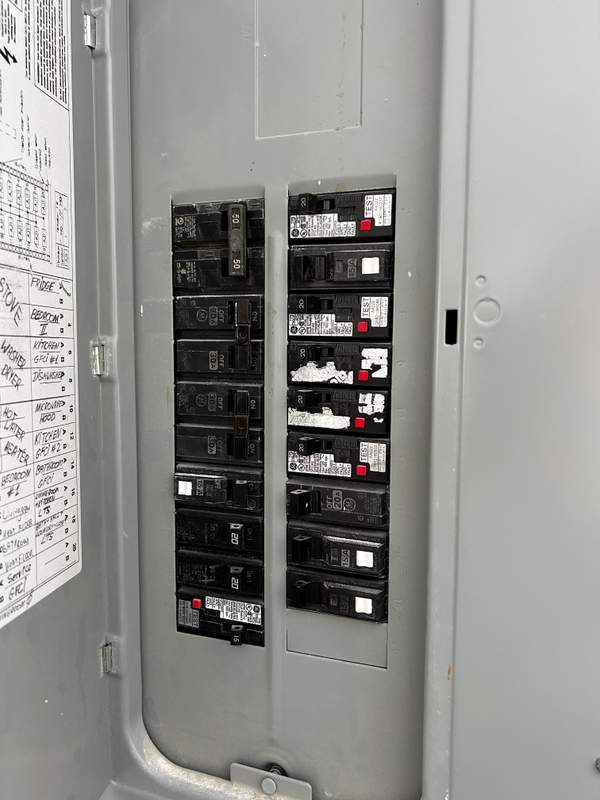
A home’s electrical system is a maze of wires that distribute power to lights, outlets, and appliances. It typically starts with the main service panel, where electricity enters the home from the utility provider. This panel, often referred to as the breaker box, houses circuit breakers or fuses that protect circuits from overloading. The system is designed to handle a specific load capacity, commonly measured in amperes (amps).
- Standard residential service panels are rated at 100, 150, or 200 amps.
- Circuit breakers should be appropriately labeled for easy identification.
- All homes should have Ground Fault Circuit Interrupters (GFCIs) installed in areas prone to moisture such as kitchens, bathrooms, and outdoor spaces.
Common Electrical Issues and Warning Signs
Professional inspectors frequently identify several common electrical issues during home inspections. These include outdated wiring systems, such as knob-and-tube or aluminum wiring, which may not meet current safety standards.
- Flickering lights or frequent circuit breaker trips may indicate overloaded circuits or faulty wiring.
- Warm or sparking outlets often point to serious electrical problems that require immediate attention.
- Absence of smoke detectors or outdated models should be addressed to enhance safety.
Practical Tips for Electrical Safety
Adhering to industry best practices can mitigate electrical risks. Regular maintenance and checks are crucial in ensuring a safe living environment.
- Homeowners should schedule routine inspections to identify potential hazards early.
- Upgrading old systems to comply with the latest National Electrical Code (NEC) standards can prevent accidents.
- Hiring qualified professionals for repairs and installations ensures compliance with local regulations.
In conclusion, understanding a home’s electrical system is vital for safety and efficiency. Engaging professional home inspection services can uncover hidden issues and ensure compliance with safety standards, ultimately protecting both property and occupants.
Recent Comments